
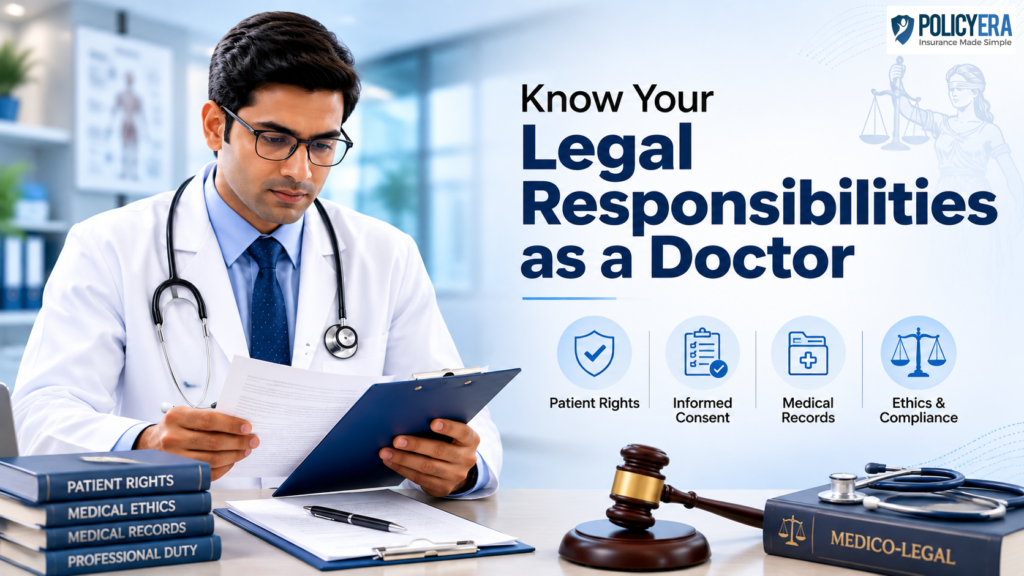
Understanding Doctors Legal Obligations in Medical Practice
Doctors are among the most trusted professionals in society, responsible for protecting patient health, safety, and dignity. However, along with medical responsibilities, doctors also have several legal and ethical duties that must be followed during their professional practice.
Understanding doctors legal obligations is essential because failure to comply with medical guidelines, ethical standards, documentation requirements, and patient rights can result in disputes, complaints, and legal challenges.
In today's healthcare environment, doctors frequently face situations involving patient complaints, treatment disputes, billing disagreements, and allegations related to medical negligence. Having awareness of doctors legal obligations helps medical professionals reduce risks and handle challenging situations confidently. A strong understanding of medicolegal responsibilities, proper documentation, emergency protocols, and professional ethics is equally important for every healthcare provider.
What Are Doctors Legal Obligations?
Doctors legal obligations refer to the legal duties, ethical responsibilities, and professional standards that doctors must follow while providing medical services to patients. These obligations are established through guidelines issued by medical regulatory authorities, including professional conduct regulations, patient rights frameworks, and healthcare laws.
The key areas covered under doctors legal obligations include:
- Providing competent medical treatment
- Maintaining patient confidentiality
- Obtaining informed consent before procedures
- Maintaining accurate medical records
- Following emergency treatment protocols
- Charging patients transparently
- Avoiding unnecessary treatment or hospitalization
- Communicating clearly with patients and relatives
Compliance with these responsibilities helps doctors maintain trust and reduces the possibility of a medicolegal case arising from misunderstandings or disputes.
Importance of Following Doctors Legal Obligations in Healthcare
Healthcare decisions directly impact human lives. Therefore, doctors must ensure that every medical action follows accepted standards of care.
Failure to follow doctors legal obligations may lead to:
- Patient complaints
- Regulatory investigations
- Consumer disputes
- Civil litigation
- Professional reputation damage
Many disputes do not arise because of actual negligence but due to poor communication, incomplete documentation, unclear billing practices, or lack of proper consent. A doctor who understands medicolegal risks can take preventive measures and maintain complete records to protect both patient interests and professional credibility.
Major Doctors Legal Obligations Every Medical Professional Must Follow
1. Duty to Provide Proper Medical Care
One of the primary doctors legal obligations is providing treatment according to accepted medical standards.
Doctors must:
- Diagnose patients appropriately
- Recommend suitable treatment options
- Follow evidence-based medical practices
- Refer patients when specialized care is required
A doctor is not legally expected to guarantee recovery, but is expected to provide reasonable care and follow professional standards. In many medicolegal case situations, courts examine whether the doctor followed accepted medical practices rather than focusing only on the final outcome.
2. Maintaining Proper Medical Records
Maintaining accurate medical documentation is one of the most important doctors legal obligations.
Medical records should include:
- Patient history
- Diagnosis details
- Investigation reports
- Treatment plans
- Medication details
- Consent forms
- Follow-up instructions
Proper documentation becomes critical when a medicolegal case occurs.
In the absence of proper records, even appropriate treatment decisions may become difficult to defend. Therefore, maintaining complete documentation is an important part of medicolegal risk management.
3. Obtaining Informed Consent Before Treatment
Obtaining informed consent is another important responsibility under doctors legal obligations.
Before performing procedures or surgeries, doctors should explain:
- Nature of the procedure
- Possible risks and complications
- Available alternatives
- Expected outcomes
The patient or authorized representative should understand the information before providing consent. Lack of proper consent can become a significant issue in a medicolegal case, even when the medical procedure itself was performed correctly.
4. Emergency Treatment Responsibilities
Doctors have important responsibilities when dealing with emergency situations.
Emergency care protocols require doctors to provide immediate medical assistance whenever possible, especially when delaying treatment may risk the patient's life.
Refusing emergency care without valid reasons may create serious legal concerns. Understanding emergency-related doctors legal obligations helps healthcare professionals respond appropriately during critical situations.
5. Ethical Billing and Hospital Charges
Healthcare billing disputes are one of the common areas where doctors and hospitals face complaints.
Doctors must ensure:
- Transparent communication regarding treatment costs
- Proper explanation of procedures and charges
- Avoidance of unnecessary investigations or hospitalization
A dispute regarding unpaid hospital bills may become a legal matter if patients believe charges were unclear or unfair.
Proper billing practices are an important part of doctors legal obligations and help prevent avoidable conflicts.
Common Medicolegal Situations Doctors Should Understand
Scenario 1: Dispute Regarding Unpaid Hospital Bills
A patient receives treatment but later disputes payment of hospital bills. In such situations, proper documentation, billing transparency, and communication records become important.
A legal draft may be required to address the dispute while ensuring compliance with healthcare regulations.
Following proper doctors legal obligations related to billing can reduce the possibility of escalation.
Scenario 2: Allegation of Unnecessary Admission Without Proper Treatment
Sometimes patients may complain that they were admitted unnecessarily or that adequate treatment was not provided.
Doctors should maintain:
- Admission justification records
- Treatment notes
- Investigation reports
- Clinical reasoning documentation
Clear documentation helps establish that medical decisions were made based on professional judgment.
Such situations often require medicolegal evaluation to understand whether there was any deviation from accepted medical practice.
Scenario 3: Patient Death During or After Treatment Without Negligence Allegation
A patient's death does not automatically indicate medical negligence.
Medical outcomes depend on several factors, including disease severity, patient condition, complications, and response to treatment.
Doctors must ensure proper documentation, informed consent, and communication with family members. When a complaint arises, a professional indemnity policy can provide legal support and protection against professional liability claims.
Role of Professional Indemnity Insurance for Doctors
Even when doctors follow all doctors legal obligations, unexpected complaints and legal proceedings may occur.
A professional indemnity insurance policy protects doctors against claims arising from alleged professional negligence, errors, or omissions during medical practice.
Professional indemnity support generally helps with:
- Legal defense expenses
- Professional representation
- Settlement-related costs (as per policy terms)
For doctors handling a busy medical practice, having adequate professional indemnity coverage provides financial protection against unexpected medicolegal case situations.
How Doctors Can Reduce Medicolegal Risks
Doctors can minimize legal risks by following these practices:
Maintain Complete Documentation
Detailed medical records are the strongest defense in any medicolegal case.
Communicate Clearly With Patients
Many disputes occur due to communication gaps rather than medical errors.
Follow Ethical Guidelines
Compliance with professional standards supports responsible medical practice.
Stay Updated With Regulations
Healthcare laws and guidelines continue to evolve. Doctors should remain informed about their responsibilities.
Consider Professional Indemnity Protection
A suitable professional indemnity policy provides additional protection against financial and legal challenges.
Conclusion
Protecting Patients and Doctors Through Legal Awareness
Understanding doctors legal obligations is essential for maintaining ethical, safe, and legally compliant medical practice.
From emergency treatment responsibilities to transparent billing, informed consent, and proper documentation, every aspect of healthcare delivery requires careful attention.
Most disputes can be prevented through effective communication, accurate records, and adherence to professional guidelines.
However, because healthcare involves uncertainty and complex situations, doctors should also consider protection through professional indemnity insurance to manage potential medicolegal case risks.
By following proper medicolegal practices and fulfilling their legal responsibilities, doctors can continue providing quality healthcare while protecting their professional reputation.
FAQs
- Do Doctors Have Legal Obligations to Treat Patients?
Yes, doctors have certain legal obligations to treat patients, especially in emergency situations. Healthcare professionals must provide appropriate care, maintain patient confidentiality, follow ethical standards, obtain informed consent, and ensure that treatment decisions are based on professional judgment. Refusing treatment without a valid reason may lead to medico-legal consequences.
2. Can You Be Fired for Missing Work Due to a Doctor's Appointment?
It depends on company policies, employment laws, and the circumstances. In many cases, employees are expected to inform their employer in advance and provide necessary documentation if required. However, employers generally cannot take unfair action against employees for legitimate medical needs protected under applicable laws and workplace policies.
3. What Are Red Flags When Choosing a Doctor?
Some red flags include lack of proper qualifications, unwillingness to explain treatment options, poor communication, avoiding patient questions, unclear billing practices, and not maintaining proper medical records. Patients should choose doctors who demonstrate transparency, professionalism, and ethical medical practices.
4. What Are Medico-Legal Responsibilities in Healthcare?
Medico-legal responsibilities refer to the legal duties healthcare professionals must follow while providing medical services. These include maintaining accurate patient records, protecting patient privacy, obtaining informed consent, following clinical guidelines, reporting certain cases as required by law, and providing safe and ethical care.
5. How Can I Become a Medical Expert Witness?
To become a medical expert witness, a healthcare professional typically needs strong clinical experience, expertise in a specific medical field, and knowledge of legal procedures. Doctors may provide expert opinions, review medical records, prepare reports, and testify in legal cases involving medical issues.
6. What Does a Medicolegal Death Investigator Do?
A medicolegal death investigator examines deaths that may involve legal concerns, such as accidents, suspicious circumstances, or unexpected fatalities. Their role includes collecting information, reviewing medical history, assisting with investigations, documenting findings, and working with forensic experts and legal authorities to determine the cause and manner of death.

